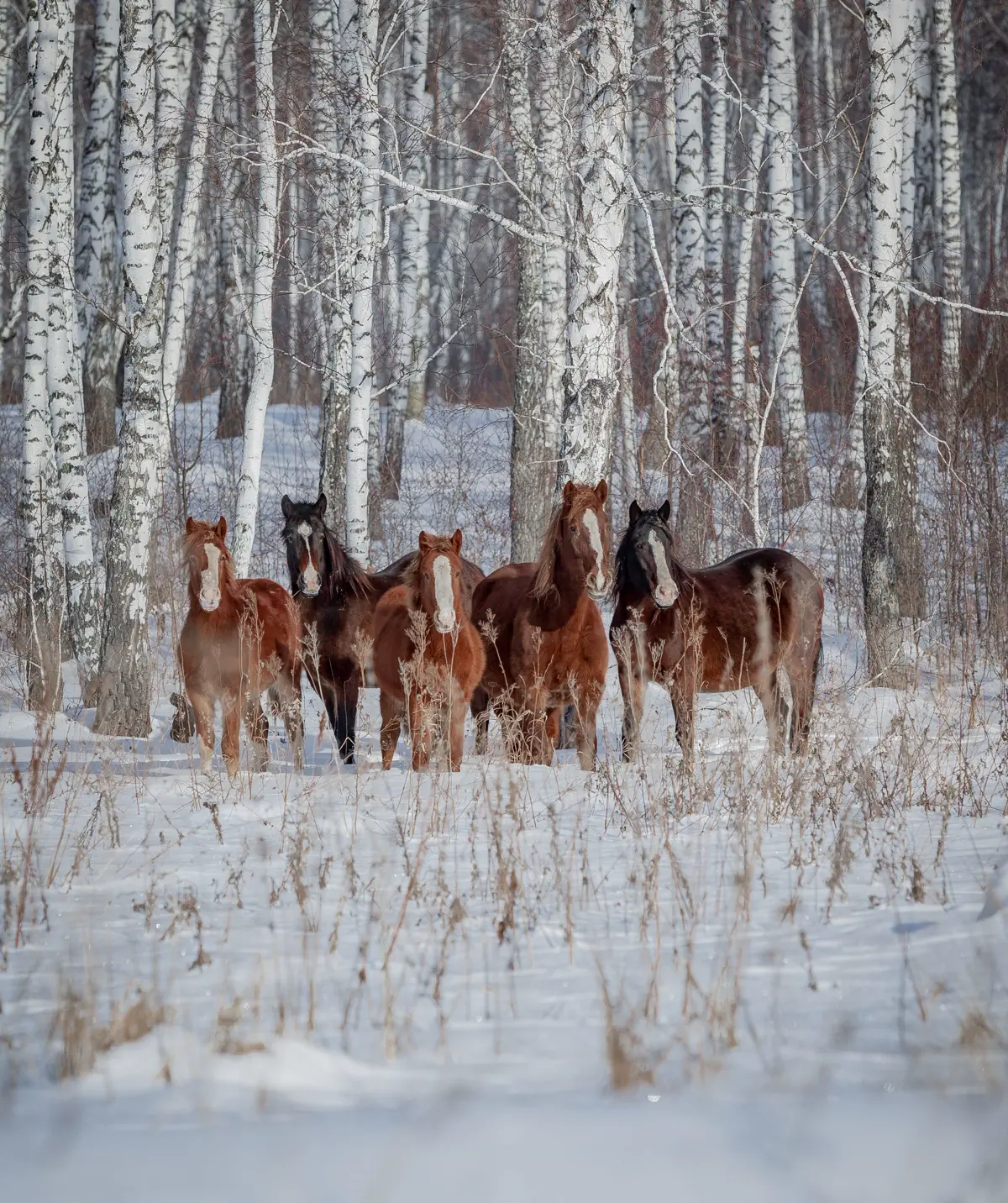
Stopping by Woods on a Snowy Evening is a quiet meditation on the pull between a momentary temptation to rest and the obligations that keep you moving.
The speaker stops his horse on the darkest evening of the year to watch snow fill up a stretch of woods that belong to someone in the village. It’s a stolen, solitary moment — no one will see him pause. The horse, confused that they’ve halted with no farmhouse near, shakes its harness bells, and the only other sound is “easy wind and downy flake.” The scene is hushed, beautiful, and faintly hypnotic.
Then the turn in the final stanza:
The woods are lovely, dark and deep. But I have promises to keep, And miles to go before I sleep, And miles to go before I sleep.
On the surface it’s just a traveler admiring snowy woods before continuing his journey. But the poem is usually read for its undercurrents:
- Rest vs. duty — the woods are tempting (“lovely, dark and deep”), but “promises to keep” and “miles to go” call him back to responsibility.
- A darker reading — the “lovely, dark and deep” woods and the longing to stop are often read as the appeal of death or surrender, with the repeated “miles to go before I sleep” as a resolve to keep living until his work is done. The repetition of that last line shifts it from literal (distance left to travel) to figurative (the long road of life before final rest).
Frost himself resisted pinning it to a single meaning, and part of its staying power is that it holds both the simple winter picture and the deeper pull at once.